


Re: Re: Fwd: Q3 plan47
Contract redlines v412
Buried inside emails.
Hans Holbein the Younger, The Merchant Georg Gisze, 1532. Gemäldegalerie, Berlin.
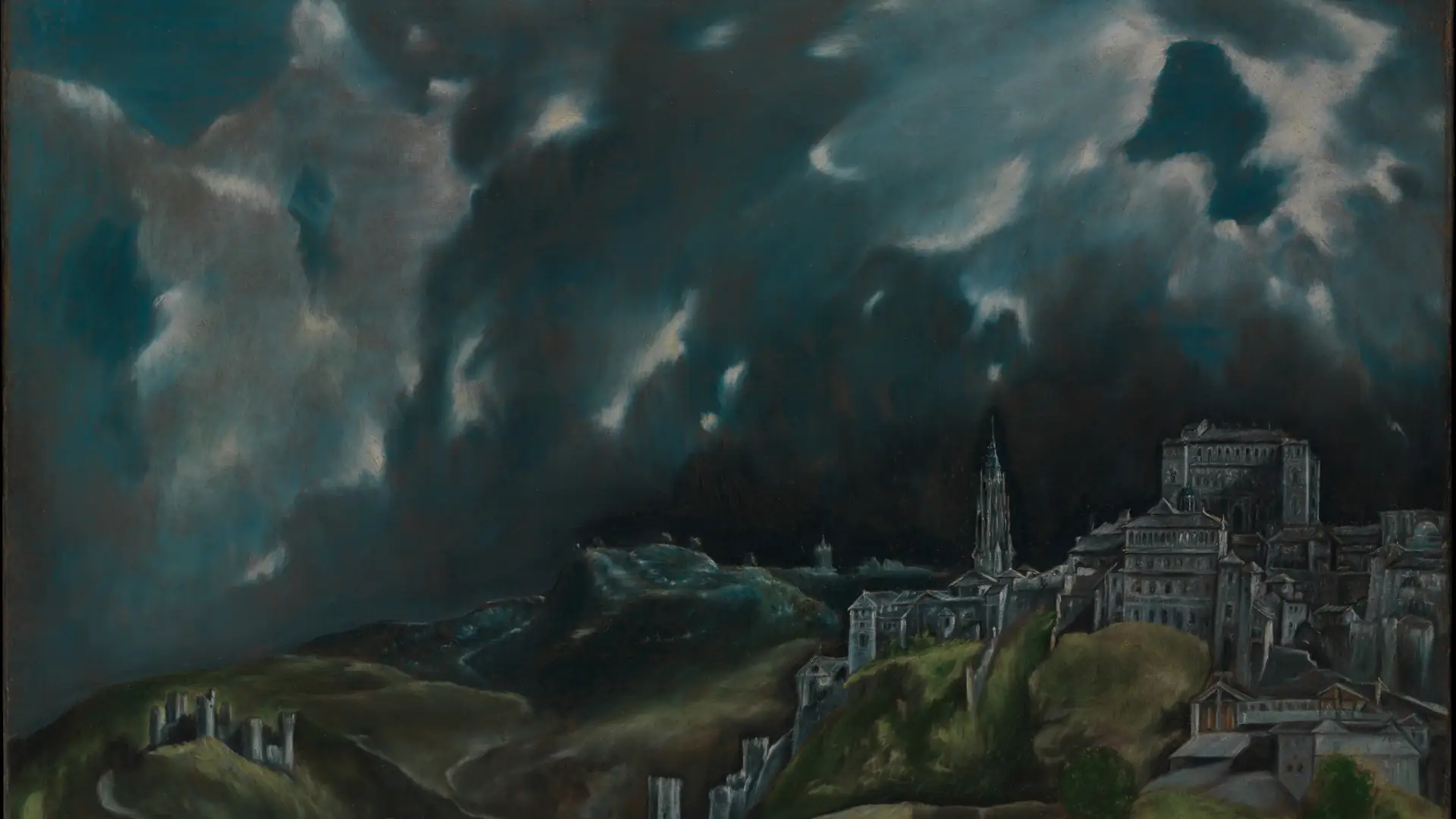
Your company shouldbe able to talk.Coming soon.
Chapter I
You built the company. You know the vision. You know the product. You know where you want to go.
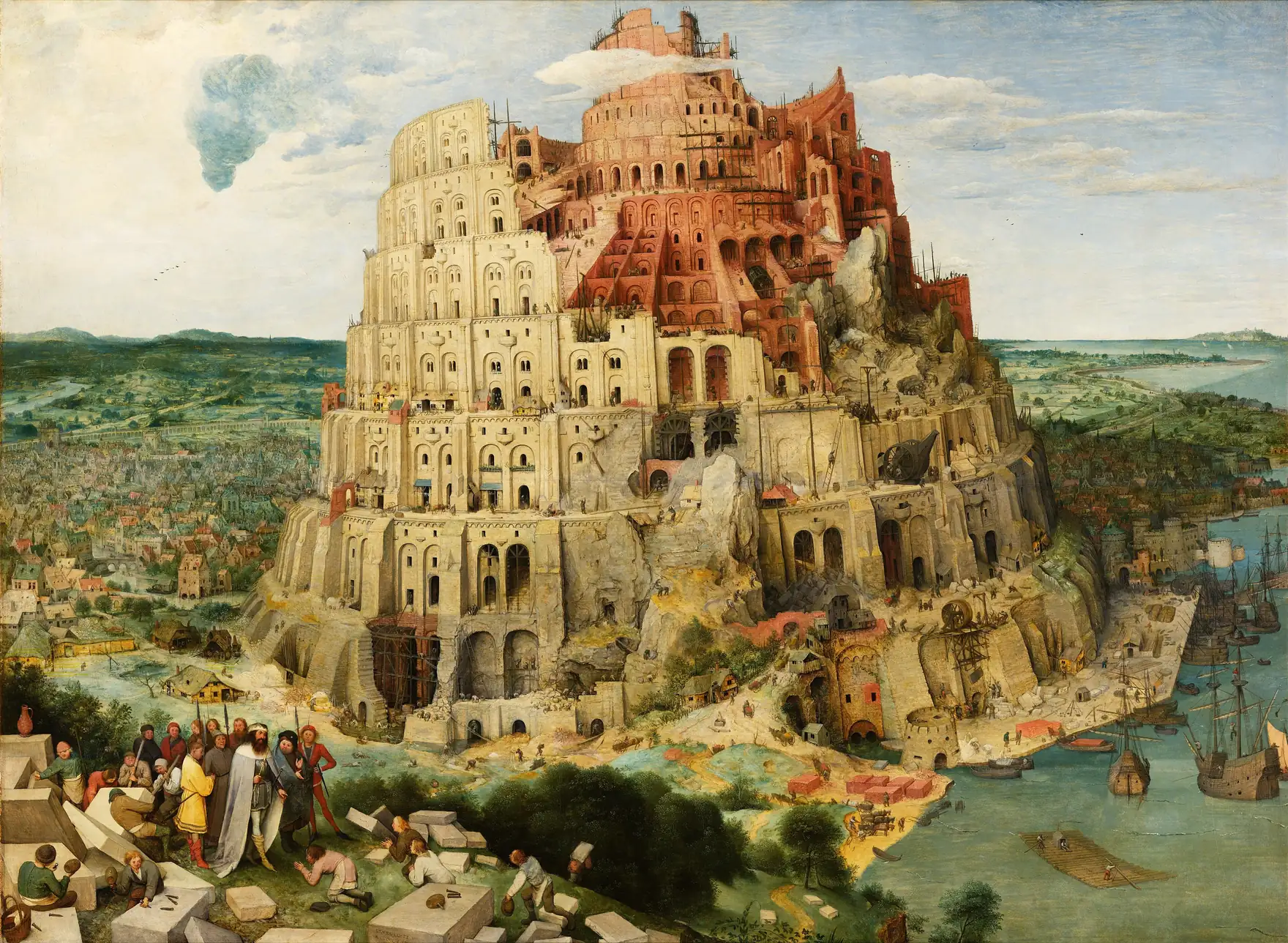
Pieter Bruegel the Elder, The Tower of Babel, 1563. Kunsthistorisches Museum, Vienna. Notifications added.
And somewhere along the way, something strange happens.
You stop knowing what the hell is actually going on.
Because the company has become too complicated for any one person to see clearly.
Chapter II
The information is there. It’s everywhere.
Holbein painted a skull across the floor of this room. Look at it straight on and it’s a smear. Look from the right angle and it’s obvious.
Your company’s signal works the same way.
Hans Holbein the Younger, The Ambassadors, 1533. National Gallery, London. The lens corrects the angle. Tap it to switch back and forth.
 Look closer…
Hans Holbein the Younger, The Merchant Georg Gisze, 1532. Gemäldegalerie, Berlin.

Studiolo from the Ducal Palace in Gubbio, c. 1478–82. The Met, New York.

Raphael, The School of Athens (detail), 1509–11. Apostolic Palace, Vatican.

Album page of prints by Master F. P., 16th century. The Met, New York.

Petrus Christus, A Goldsmith in His Shop, 1449. The Met, New York.

James Tissot, The Seven Trumpets of Jericho (detail), c. 1896–1902. The Jewish Museum, New York.

Titian, Portrait of a Man in a Red Cap, c. 1510. The Frick Collection, New York.
And yet, when you ask:
“What the fuck is happening in my company right now?”
You still need someone to figure it out.
And by the time you finally understand what happened—
it’s already yesterday’s problem.
Chapter III
We think that’s fucking backwards.
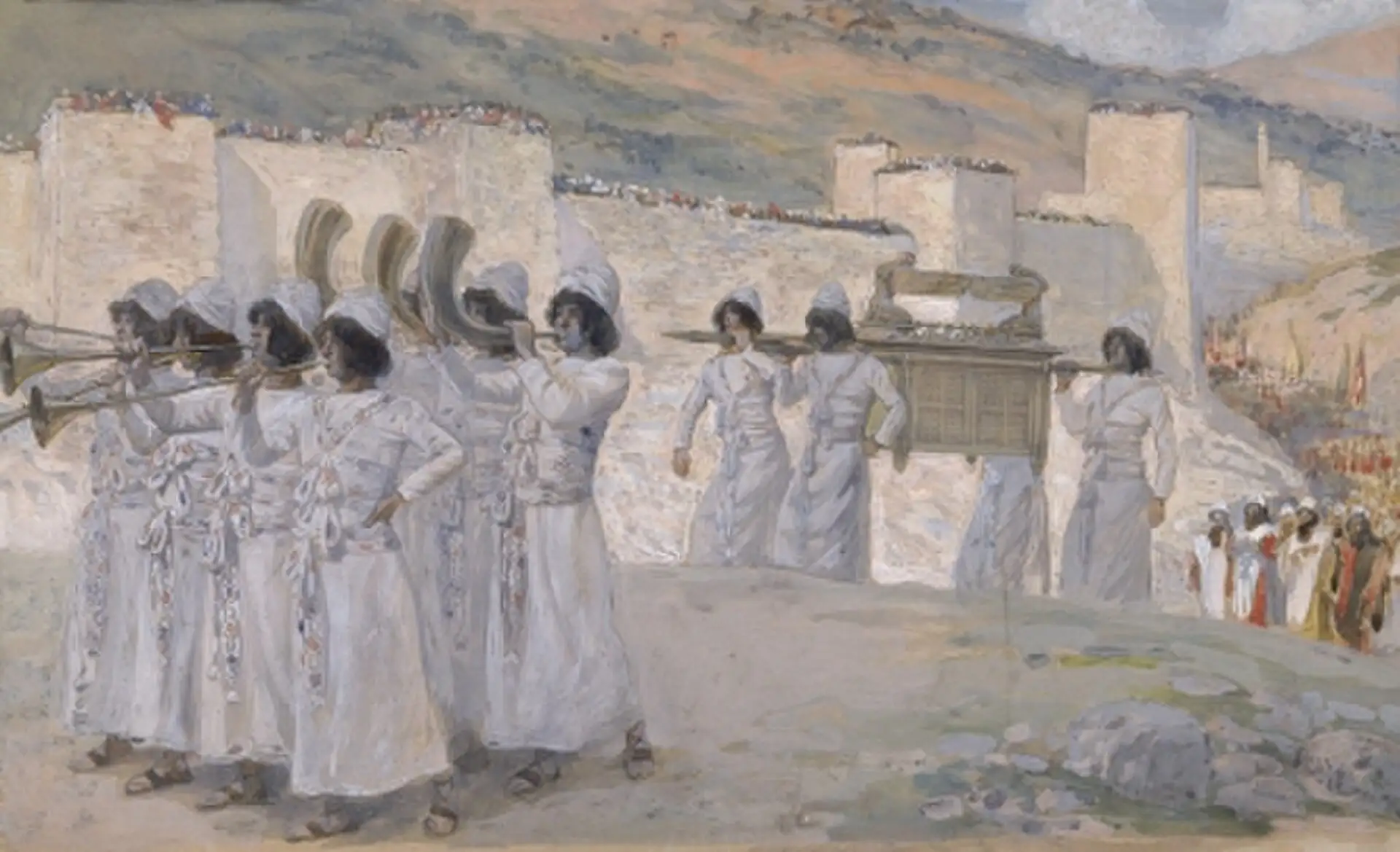
James Tissot, The Seven Trumpets of Jericho, c. 1896–1902. The Jewish Museum, New York. Seven days of sound. Then the walls came down.
Your company generates the information.
Your company makes the decisions.
Your company sees the problems.
Your company knows what is changing.
So why can’t your company tell you?
Imagine opening your company in the morning and simply asking:

And getting an answer.
An answer.
Melozzo da Forlì, Music-Making Angel, c. 1480. Pinacoteca Vaticana.
That’s different.
Because we’re not trying to give you more information. We’re trying to give your company a voice.
Chapter IV
From data to understanding.
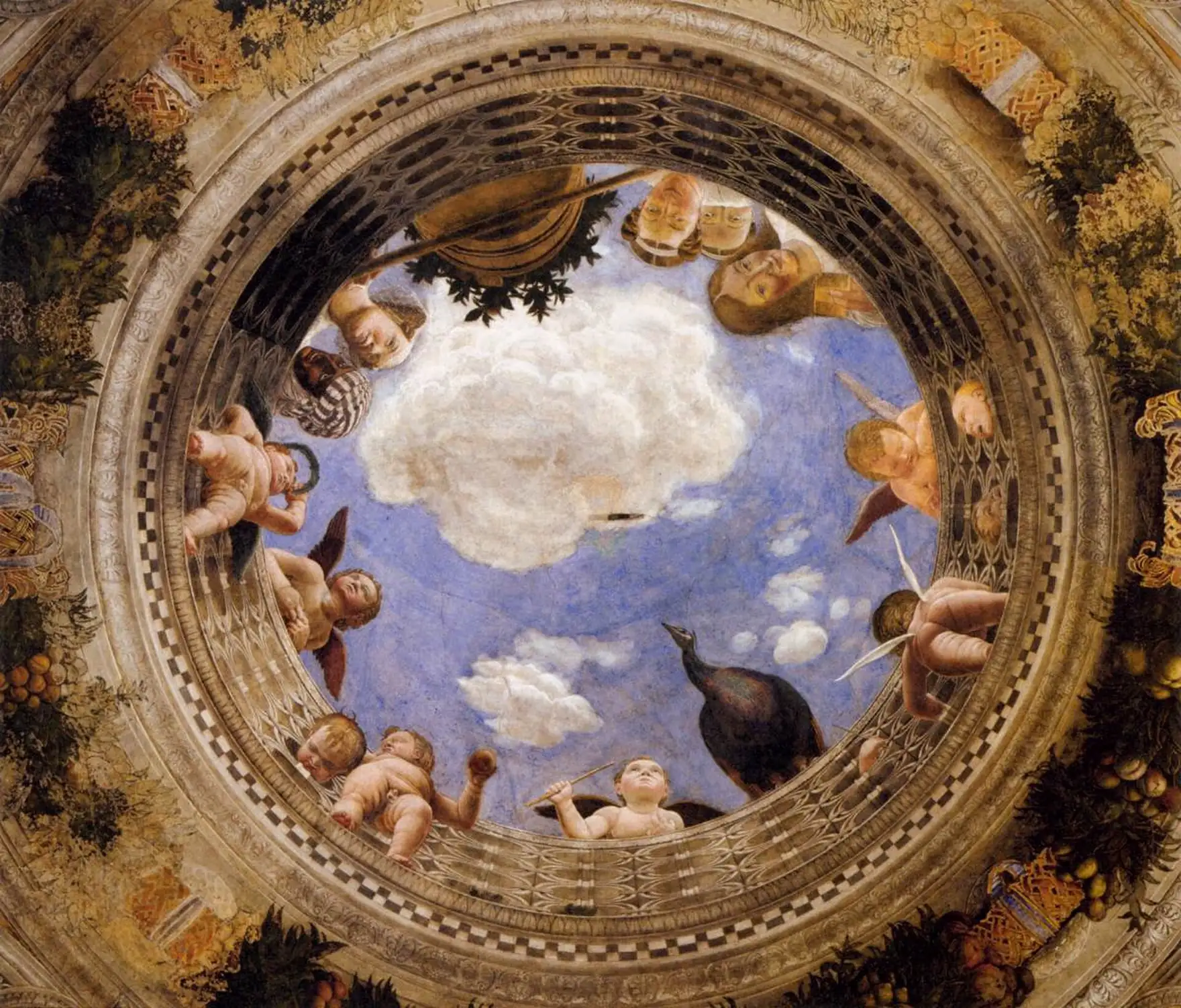
Andrea Mantegna, ceiling oculus, Camera degli Sposi, 1465–74. Palazzo Ducale, Mantua. It resolves as you scroll, the way noise becomes a picture.
They’ll be defined by how well they understand themselves.
“What’s going on?”
Revenue is up 6% on last week. Two enterprise deals slipped to next quarter. Onboarding tickets doubled since Tuesday’s release. One decision needs you today.
Pick a node. Illustrative examples, not real data.A company should know its history.
Understand its present.
Recognize patterns.
Connect decisions to outcomes.
Remember why things happened.
Notice when something changes.
And most importantly—
speak when something matters.
Chapter V
We’re building that.
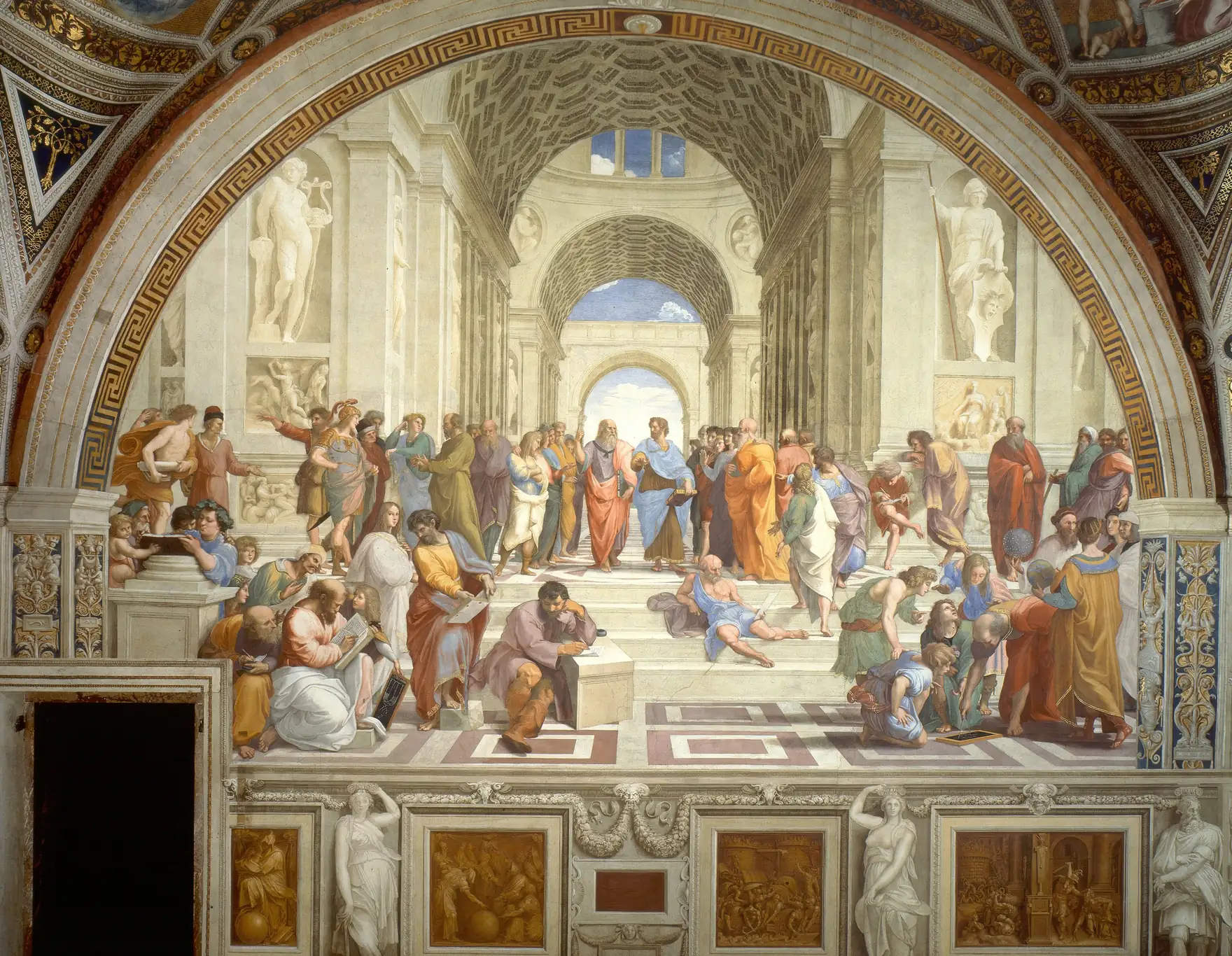
Raphael, The School of Athens, 1509–11. Apostolic Palace, Vatican. Everyone in the room. Nobody sees the whole room.
We’re building the intelligence layer of the company.
Something that sits across the organization and connects the dots between everything happening inside it.
Because when your company grows, you shouldn’t have to become a full-time detective just to understand your own business.
The company should understand itself.
And it should be able to tell you.
Chapter VI
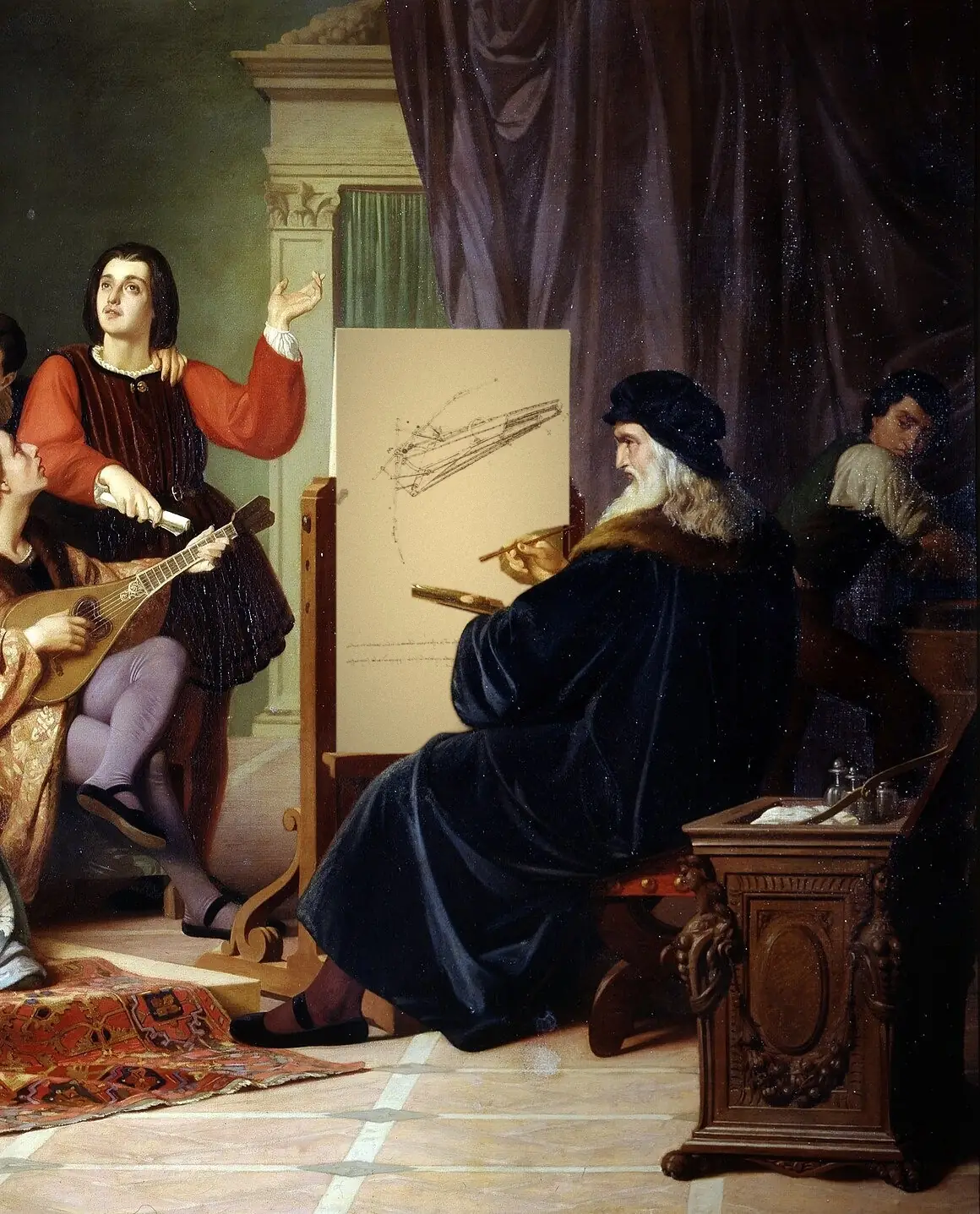
It all started with Iron Man.
Not the suit.JARVIS.
Cesare Maccari, Leonardo in his studio, 19th century, with the Mona Lisa swapped for Leonardo’s own design for a flying machine, c. 1488. The original inventor’s workshop.
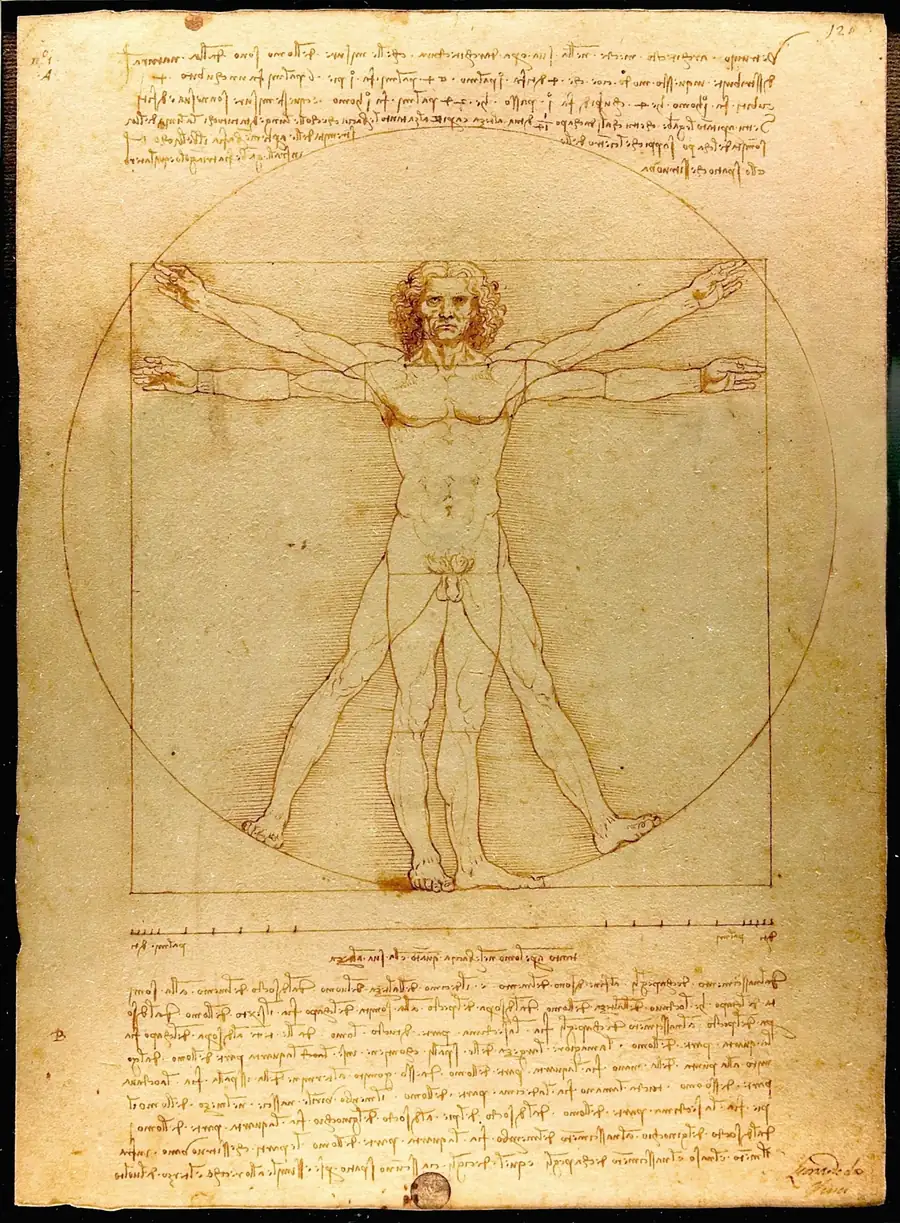
Leonardo da Vinci, Vitruvian Man, c. 1490. Gallerie dell’Accademia, Venice.
Like a lot of people, I watched Iron Man and thought: “I want that.”
An AI that knows what you’re doing, understands what’s happening around you, remembers everything, connects the dots and is always there when you need it.
I don’t think I’m the only one who thought that. Everyone wants to build JARVIS.
People have tried. I tried too.

And honestly? I couldn’t build it. At least, not the JARVIS from the movies.
But failing to build it made me ask a much more interesting question:
What actually makes JARVIS, JARVIS?
It’s not the voice. It’s not the holograms. It’s not the fancy interface. It’s the fact that JARVIS understands Tony Stark.
That’s when it clicked. I didn’t actually need to build JARVIS.
I needed to build what made JARVIS useful.

And then I started thinking: what if a company had that?
What if you could walk into work every morning and simply ask “What’s going on?” and your company could tell you.
That’s the idea that started everything. So I started building it. Not for Tony Stark. Not to make another AI chatbot. And not because the world needed another dashboard.
I started building it because I wanted it for my company.
And then I realized something: if I want this, there’s a damn good chance everyone else running a company wants it too.
So that’s what we’re building. A company that doesn’t just store information. A company that understands it. A company that remembers. A company that connects the dots. A company that knows what’s happening. And eventually—
a company that can talk to you.
Maybe I never built JARVIS. But I think I finally figured out what I was actually trying to build.
Chapter VII
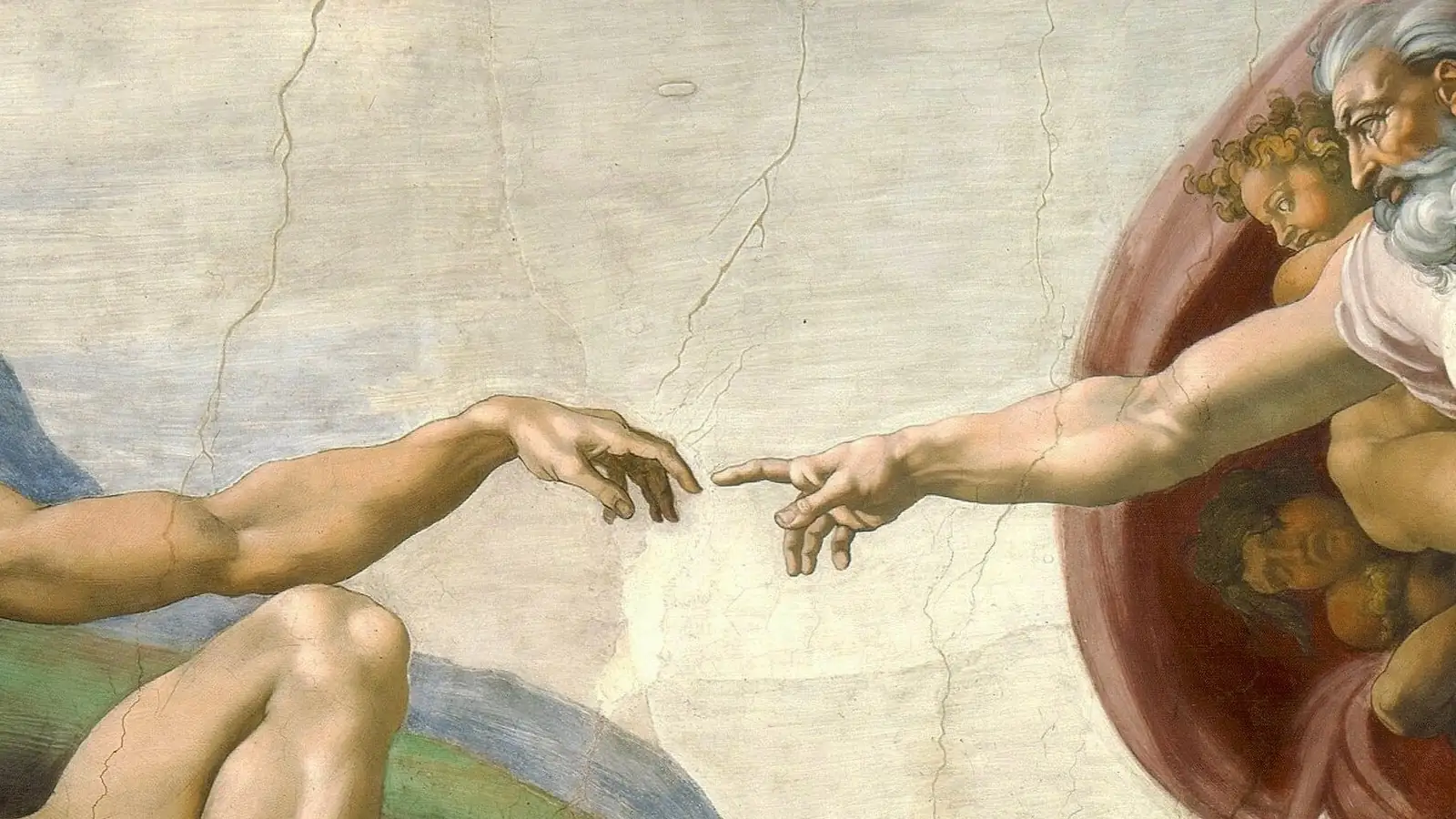
This is the future we want.
Michelangelo, The Creation of Adam, c. 1512. Sistine Chapel, Vatican.
A world where you don’t spend your day hunting for information.
You spend it making decisions.
Can someone find out what’s happening?
What should we do about it?
Because the hardest part of running a company was never having information.
It was knowing what the hell to do with it.
We’re here to change that.
We’re building the system that lets it speak.
